

Where Is the Starter Located in a Car?

Aug 07, 2026
 
🔧 HOW-TO GUIDE

Where Is the Starter Located in a Car?
Simple Guide for All Vehicles

Find your starter motor fast. Learn where it sits, why it's there, and how to reach it on different cars and trucks.

5+
Vehicle Types
3
Ways to Find It
100%
Practical Steps

⚡ Quick Answer

The starter motor sits where the engine meets the transmission. It bolts to the bell housing right next to the flywheel. The starter needs this position because its gear must touch the flywheel teeth to spin the engine. The exact side and access point depend on your vehicle type.

You open the hood of your car. You see the engine. You see the battery. But you cannot find the starter motor. You are not alone. Many people ask "where is the starter located in a car?"

The good news is simple. The starter sits in the same general area on almost all cars. You can find it near the back of the engine where it connects to the transmission.

This guide shows you exactly where the starter motor is on different types of vehicles. It also explains why it sits there and how to reach it.

Why Is the Starter Located There?

The starter motor has one job. It spins the engine fast enough so the engine can start running on its own.

The starter has a small gear on the front. This gear pushes forward and locks into a big gear ring on the flywheel. The flywheel is a heavy metal disc on the back of the engine.

The starter must sit right next to the flywheel because the gear needs to reach it. That is why you always find the starter at the point where the engine and transmission meet.

🔩 Key Parts Around the Starter

Bell Housing

The bell-shaped metal cover around the flywheel. The starter bolts to it.

Flywheel / Flexplate

The big disc with teeth around the edge. The starter gear meshes with it.

Transmission

The gearbox that bolts to the back of the engine.

Engine Block

The main body of the engine. Some starters bolt directly to it.

💡 Simple Rule

If you want to find the starter, just follow the engine back to where it meets the transmission. You will find the starter there. It works on almost every car.

🚗 LOCATION BY VEHICLE TYPE

Different cars have different starter positions

Front-Wheel Drive vs Rear-Wheel Drive

The biggest factor for starter position is your drive type. Is your car front-wheel drive (FWD) or rear-wheel drive (RWD)? This decides how the engine sits and where the transmission goes.

🚙 Front-Wheel Drive (FWD)

  • Engine sits sideways
  • Transmission sits next to the engine
  • Starter is on the side of the engine bay
  • You can often see it from above
  • It sits low, near the bottom of the engine

🏎️ Rear-Wheel Drive (RWD)

  • Engine sits lengthwise
  • Transmission sits behind the engine
  • Starter is low on the bell housing
  • You access it from underneath
  • Side varies by brand (left or right)

Quick check: Open the hood. If the engine looks like it sits sideways, you have FWD. If the engine points from front to back like a long tunnel, you have RWD.

↔️

Sideways (Transverse) Engines

Most regular cars use a sideways engine layout. The engine sits across the engine bay. The transmission bolts to one end. This is the standard setup for front-wheel drive cars.

Where to find it:

  • Look on the back side of the transmission
  • It sits low, near the bottom
  • Check both the driver side and passenger side
  • You can sometimes see it from above
  • It is usually easier to see from underneath

⚠️ Things That Block Your View

On many FWD cars, other parts sit in front of the starter. You might see the air intake box, battery tray, coolant hoses, or wiring harness. From below, you will need to remove a plastic splash guard first.

↕️

Inline (Longitudinal) Engines

Inline engines run from front to back. The transmission bolts directly behind the engine. You see this layout on rear-wheel drive cars, pickup trucks, and big SUVs.

Where to find it:

  • It bolts to the side of the bell housing, low down
  • Most GM cars: passenger side (right)
  • Most Ford cars: driver side (left)
  • European cars: varies by brand
  • You almost always access it from underneath

🔧 Plan to Go Underneath

On RWD vehicles, you cannot easily see the starter from above. It sits too low. You will need to jack up the car and slide under it. Always use jack stands for safety.

🚛

Diesel Engines, Pickups & Big Trucks

Diesel trucks and work vehicles are different. Diesel engines have much higher compression. They need bigger and more powerful starters. Many heavy trucks use 24-volt systems instead of 12-volt.

Pickup Trucks

  • Mounted low on the bell housing
  • Ford and Ram: usually driver side
  • Chevy and GMC: usually passenger side
  • Access from underneath
  • You may need to move the exhaust pipe

Heavy-Duty Trucks

  • Much bigger starter unit
  • Usually driver side of the bell housing
  • Often easy to see without removing parts
  • Most run on 24 volts
  • Many use gear-reduction design

💡 Important for Diesel Owners

Diesel starters are bigger and heavier than gas starters. They need more torque to turn over a high-compression diesel engine. Do not put a gas engine starter on a diesel engine. It will not work. It will fail quickly.

🔍 How to Find Your Starter Motor

Here are three simple ways to find the starter on your vehicle.

Method 1: Look From Above (Engine Bay)

  1. Open the hood. Prop it up safely.
  2. Find where the engine meets the transmission.
  3. Look down along both sides of that spot.
  4. Look for a metal cylinder about 6 to 10 inches long.
  5. You will see wires going to it.
  6. A smaller cylinder (solenoid) sits on top or on the side.

Method 2: Look From Underneath (Most Reliable)

  1. Jack up the car safely. Put it on jack stands.
  2. Never get under a car that only sits on a jack.
  3. Slide under the engine area.
  4. Find the bell housing (the bell-shaped metal part).
  5. Look on both sides near the bottom.
  6. You may need to remove a plastic splash guard first.

Method 3: Follow the Battery Cable (Easiest)

  1. Find your car battery.
  2. Find the thick positive cable (usually red).
  3. Follow that big cable down toward the engine.
  4. The other end of the cable bolts to the starter.
  5. Where the cable ends, that is your starter.

⚠️ Safety First

Always disconnect the negative battery cable before you work on or near the starter. The starter carries very high current. It can accidentally turn on if something touches the wrong spot. Always use jack stands when you work under a car.

💡 Helpful Tips

What It Looks Like

A metal cylinder about the size of a 1-liter soda bottle. A smaller cylinder sits on top or on the side. Two or three bolts hold it in place.

What Bolts It Down

It bolts to the engine block or the transmission bell housing. The nose of the starter goes through a hole into the bell housing.

Things in the Way

Air filter box, battery tray, exhaust pipe, heat shields, plastic splash guards, engine mounts, AC compressor.

Brand Patterns

GM: passenger side. Ford: driver side. Honda/Toyota FWD: top of transmission. BMW: passenger side, low.

Need a Replacement Starter Motor?

Horizon supplies high-quality starter motors for passenger cars, pickup trucks, and heavy-duty commercial vehicles. Find the right fit for your vehicle.

Not sure which starter you need? Send us your OEM number or truck details and we'll find the right one for you.

❓ Frequently Asked Questions

Q: Where is the starter on a V6 or V8 engine?

A: On V-type engines, the starter still sits at the rear of the engine where it meets the transmission. It mounts to the side of the bell housing. It sits on either the driver side or the passenger side. It depends on the car brand.

Q: Can I see the starter without jacking up the car?

A: It depends on your car. On many front-wheel drive cars, you can see part of the starter from above. On rear-wheel drive cars and trucks, it sits too low. You almost always need to get underneath. A mirror on a stick can help you see it without crawling under.

Q: Do all cars of the same brand have the starter on the same side?

A: Most of the time yes, but not always. Most brands keep the same pattern across their lineup. But different engine types can have different starter locations. Always check your specific vehicle.

Q: How many bolts hold a starter in place?

A: Most starters use 2 or 3 bolts. The bolts go through the mounting flange into the bell housing or engine block. You also have electrical connections. One is the main battery cable. The other is a smaller trigger wire for the solenoid.

Q: Does starter location affect how hard it is to replace?

A: Yes, it makes a big difference. Some cars have the starter in plain view. You can swap it in 15 minutes. On other cars, the starter sits deep under other parts. You must remove several components just to reach it. Labor time can range from 30 minutes to 4 hours or more.

📌 Quick Summary

  • The starter always sits where the engine meets the transmission
  • On FWD cars: side of the transmission, often visible from above
  • On RWD vehicles: low on the bell housing, access from underneath
  • Diesel trucks: bigger starter, usually driver side, easy to see
  • The easiest way: follow the thick positive battery cable
  • Always disconnect the battery before you work on the starter

🔧 Still Can't Find Your Starter?

Send us your vehicle year, make, model, and engine size. The Horizon team will help you locate it and find the correct replacement part.

Get Help Now →

© 2026 Horizon | Heavy Duty Truck Starter Motors & Auto Electrical Parts

Recommended Products
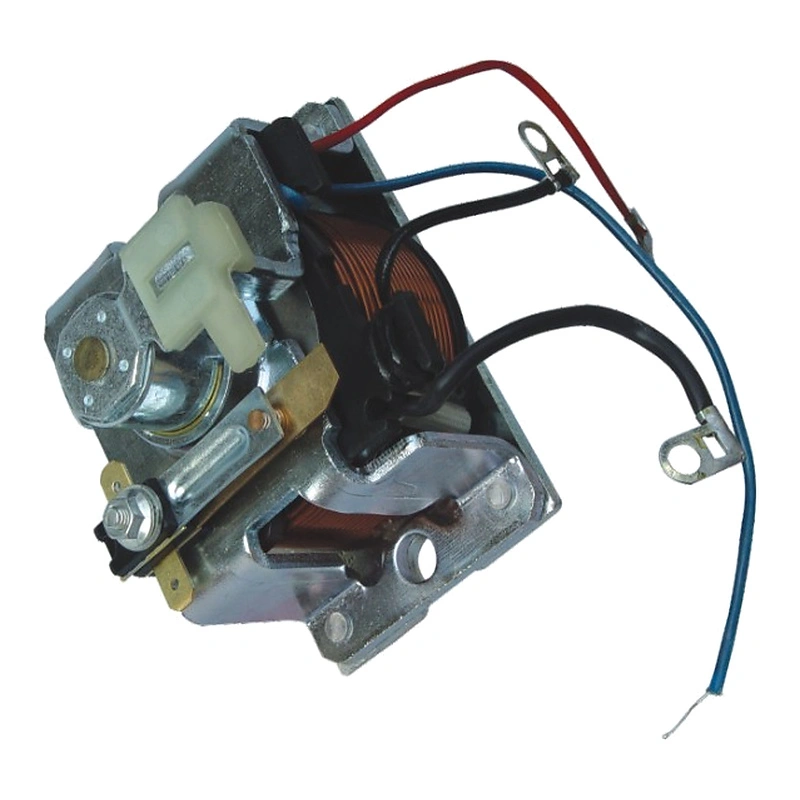
24V/12V Starter Motor Push Solenoid 0331 450 001
  • OE No.0331 450 001 (24V) 0331 450 004 (24V) 0331 450 009 (12V)
  • Voltage:24V / 12V
  • Type:Push solenoid
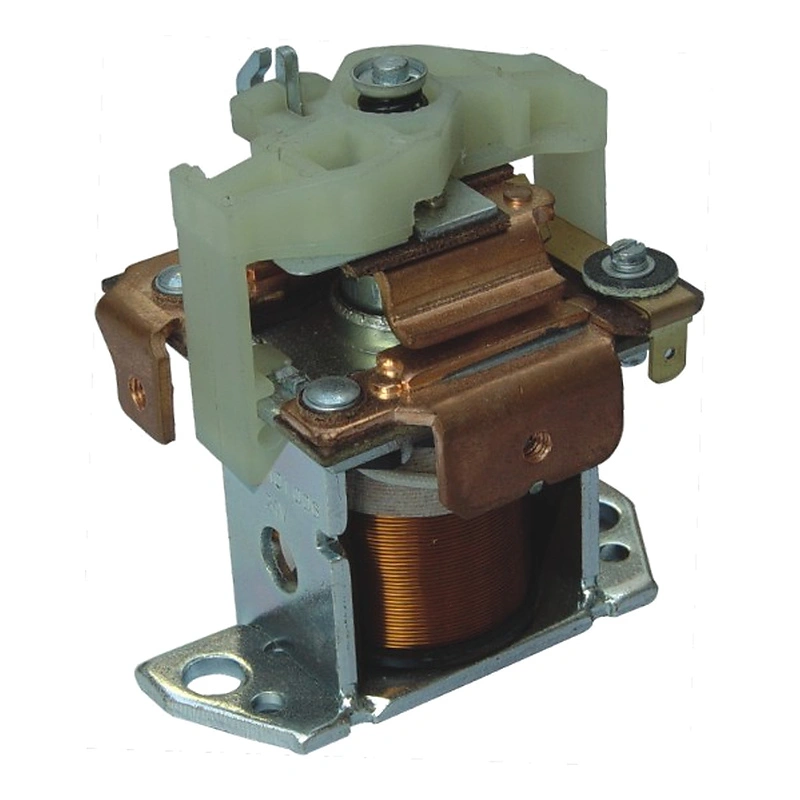
24V/12V Starter Motor Pull Solenoid 0331 101 006
  • OE No.0331 101 006 (24V) 0331 101 011 (12V)
  • Voltage:24V / 12V
  • Type:Pull solenoid
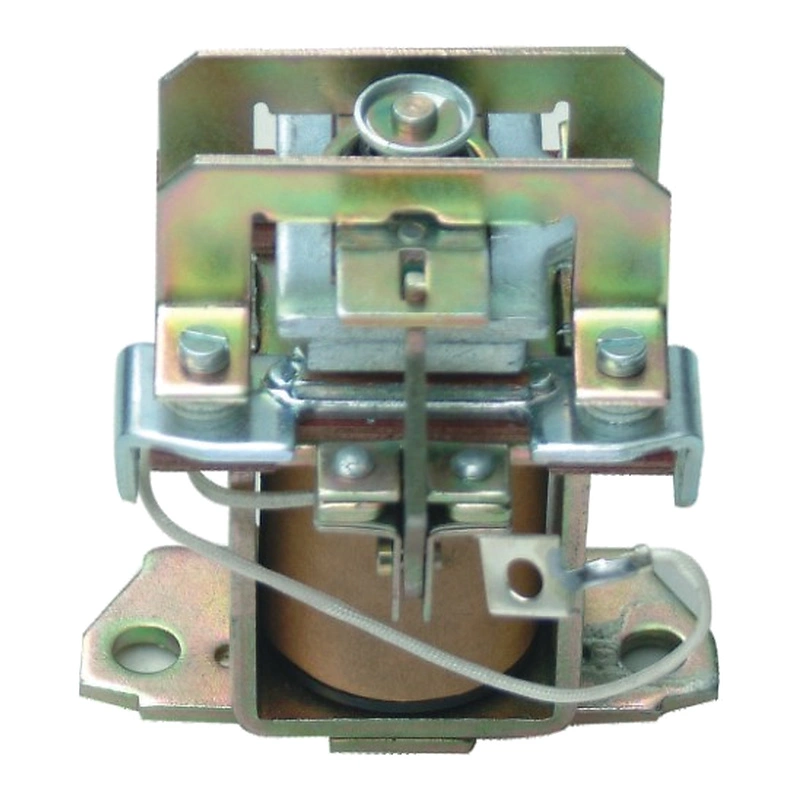
Gina 24V Starter Motor Solenoid
  • OE No.
  • Voltage:24V
  • Gina type:
  • Applicable Brand: Gina
Quick Inquiry
Need the Right Starter Products for Your Market?

Send us your OE number, product requirements, or customization needs. Horizon Automotive Parts will help you match suitable automotive starters and starter parts for your business.

What You Can Send Us
  • OE number or reference number
  • Product photo or drawing
  • Vehicle / engine information
  • Quantity or purchase plan
  • OEM or packaging requirements

Not sure which model fits your needs? Send us the available details, and Horizon Automotive Parts will help you confirm suitable options.
Drop A Message
Send Your Inquiry

GET A QUOTE

+852 53779176

+86-18989720167

1401769307@qq.com

GET IN TOUCH NOW
Captcha Code