

🔧 TECHNICAL GUIDEWhat Is a Permanent Magnet Starter Motor?Ho">

What Is a Permanent Magnet Starter Motor?

Sep 15, 2026
'); opacity: 0.3;">
🔧 TECHNICAL GUIDE

What Is a Permanent Magnet Starter Motor?
How It Works & Why It Matters

Learn how permanent magnet starters work, how they differ from old field coil designs, and what PMGR means for your vehicle.

2
Design Types Compared
5+
Key Advantages
100%
Practical Explanation

⚡ Quick Answer

A permanent magnet starter motor uses permanent magnets to create the magnetic field inside the motor. Old starter designs use copper wire coils (field coils) for the same job. Permanent magnet starters are lighter, smaller, and more efficient. Most modern cars use this type, often with a gear reduction design called PMGR (Permanent Magnet Gear Reduction).

You shop for a replacement starter. You see terms like "permanent magnet starter motor" and "PMGR starter." You wonder what they mean. You are not alone.

Most new cars use permanent magnet starters. Older cars use a different design with copper coils. The two types do the same job. But they work in different ways.

This guide explains permanent magnet starter motors in simple terms. It also covers PMGR starters and the pros and cons of this design.

What Is a Permanent Magnet Starter Motor?

A permanent magnet starter motor is an electric motor. It uses permanent magnets to create a magnetic field. This field works with the rotating part (armature) to produce torque. The torque spins the engine to start it.

Older starters use copper wire coils called field coils. These coils need electric current to create a magnetic field. Permanent magnet starters skip the coils. They use solid magnets that always have a magnetic field.

The permanent magnet type is the standard design in most modern passenger cars and light trucks.

🔩 Key Parts of a Permanent Magnet Starter

Permanent Magnets

Fixed to the inside of the motor housing. They create the magnetic field without power.

Armature

The rotating part with copper windings. It spins when current flows through it.

Solenoid

The electromagnetic switch. It pushes the gear forward and sends power to the motor.

Drive Gear

The small gear that meshes with the flywheel to crank the engine.

How a Permanent Magnet Starter Works

The process is simple. It happens in a few quick steps when you turn the key.

1

Key Turn

You turn the key. The solenoid gets power.

2

Gear Engages

The solenoid pushes the gear into the flywheel.

3

Motor Spins

Current flows to the armature. The magnets make it spin.

The armature spins because current flows through its copper windings. The permanent magnets create a fixed magnetic field around the armature. The two fields push against each other. This push makes the armature rotate. The rotation goes through the drive gear to the flywheel. The flywheel spins the engine. The engine starts. The gear retracts. The starter stops.

Permanent Magnet vs Field Coil Starter

The main difference is the source of the magnetic field. Here is a side-by-side comparison.

Feature Permanent Magnet Field Coil
Magnetic field source Permanent magnets Copper wire coils
Weight Lighter Heavier
Size More compact Larger bulk
Efficiency Higher Lower
Current draw Lower Higher
Cold start performance Better Good
Cost Higher (magnets) Lower
Common in Most modern cars Older cars, heavy trucks

💡 Why the Difference Matters

Field coil starters use electricity to create the magnetic field. This means they draw more current from the battery. Permanent magnet starters already have the field. They only use current for the armature. This saves power and reduces strain on the battery, especially in cold weather.

⚙️

What Is a PMGR Starter Motor?

PMGR stands for Permanent Magnet Gear Reduction. It is a permanent magnet starter with an extra gear set inside.

The gear reduction set sits between the motor and the drive gear. It slows down the motor speed. It increases the torque at the same time. This means a small motor can produce enough torque to start a big engine.

PMGR starters are the most common type in modern passenger cars. They combine the benefits of permanent magnets with the torque boost of gear reduction.

🔧 How Gear Reduction Works

Motor spins fast

High speed, low torque

⚙️

Gear set reduces speed

Planetary gears

🔄

Output spins slower

Low speed, high torque

✅ Why PMGR Is the Standard Today

Car makers want lighter vehicles. They want better fuel economy. They want smaller engine bays. PMGR starters help with all three goals. A PMGR starter can be 30 to 50 percent lighter than an old field coil starter with the same power. It also draws less current, which means smaller batteries and thinner cables can be used.

Advantages of Permanent Magnet Starters

🪶 Lighter Weight

No heavy copper field coils means less weight. This helps fuel economy and reduces load on the engine mounts.

📦 Smaller Size

The compact design fits in tight engine bays. Car makers have more room for other parts.

⚡ Higher Efficiency

Less energy is wasted as heat. More battery power goes into actually cranking the engine.

🔋 Lower Current Draw

It uses less power from the battery. This is easier on the battery and the charging system.

❄️ Better Cold Start

Lower current draw means more cranking power when the battery is weak in cold weather.

🔧 Simpler Construction

Fewer internal parts means fewer things can go wrong. No field coils to burn out.

Limitations and Potential Problems

Permanent magnet starters are great. But they are not perfect. Here are the main issues to know about.

🔥 Heat Can Damage the Magnets

Permanent magnets lose strength when they get too hot. If you crank the engine for too long, the starter overheats. The magnets can weaken or even demagnetize. Once the magnets lose strength, the starter produces less torque. It may not be able to start the engine.

📉 Cheap Magnets = Short Life

Not all permanent magnets are the same quality. Good starters use high-grade neodymium or ferrite magnets. Cheap aftermarket starters may use low-quality magnets. These weak magnets can lose strength over time. The starter may fail much sooner than expected.

⚙️ Gear Reduction Adds Complexity

PMGR starters have extra gears inside. These gears can wear out or break. The planetary gear set is small. It takes a lot of stress every time you start the engine. If the gears fail, the motor spins but the drive gear does not.

💰 Higher Replacement Cost

Permanent magnet materials cost more than copper coils. Good magnets are expensive. This means permanent magnet starters usually cost more than old field coil types. But the price gap has narrowed in recent years.

⚠️ Important Tip

Do not crank the engine for more than 10 to 15 seconds at a time. Wait at least 30 seconds between attempts. This gives the starter time to cool down. It protects the magnets from heat damage. It also protects your battery.

Buying Tips for Replacement Starters

1. Match the Type

Check if your original starter is permanent magnet or field coil. Replace it with the same type. Do not swap types unless the manufacturer says it is okay.

2. Check Magnet Quality

Look for starters that use high-grade magnets. Cheap magnets fail early. Brand-name starters usually use better materials.

3. Verify Gear Reduction

If your car came with a PMGR starter, replace it with another PMGR. The mounting and gear count must match exactly.

4. Check the Warranty

A good starter should come with at least a 1-year warranty. Longer warranty means the maker trusts the product.

Need a Quality Permanent Magnet Starter?

Horizon supplies high-quality permanent magnet and PMGR starter motors for cars, pickups, and commercial vehicles. All units are tested before shipping.

❓ Frequently Asked Questions

Q: Are permanent magnet starters better than field coil starters?

A: For most modern cars, yes. Permanent magnet starters are lighter, smaller, and more efficient. They draw less current. But field coil starters are still used in some heavy-duty applications because they can handle very high torque loads.

Q: What does PMGR mean on a starter?

A: PMGR means Permanent Magnet Gear Reduction. It is a starter that uses both permanent magnets and a gear reduction set. The magnets save weight and space. The gear set increases torque. This is the most common starter type in modern cars.

Q: Can a permanent magnet starter lose its magnetism?

A: Yes, it can. Excessive heat is the main cause. If you crank the engine for too long, the starter overheats. The magnets can weaken. Physical damage or very low-quality magnets can also cause loss of magnetism over time.

Q: How long does a permanent magnet starter last?

A: A good quality permanent magnet starter can last 80,000 to 150,000 miles. The exact life depends on usage, quality, and operating conditions. Cars with auto start-stop systems go through starters faster because the starter cycles many times per day.

Q: Can I replace a field coil starter with a permanent magnet one?

A: Sometimes yes, but not always. The mounting holes, gear count, and electrical connections must match. Some manufacturers offer conversion kits. But in most cases, you should replace your starter with the same type that came from the factory.

📌 Quick Summary

  • A permanent magnet starter uses magnets instead of copper coils for the magnetic field
  • It is lighter, smaller, and more efficient than old field coil starters
  • PMGR (Permanent Magnet Gear Reduction) adds a gear set for more torque
  • PMGR is the standard design in most modern cars and light trucks
  • Main risks: heat damage to magnets, cheap magnet quality, gear wear
  • Do not crank for more than 15 seconds at a time to protect the magnets

🔧 Not Sure Which Starter Fits Your Vehicle?

Send us your OEM part number or vehicle details. The Horizon team will help you find the correct permanent magnet or PMGR starter.

Get Help Now →

© 2026 Horizon | Heavy Duty Truck Starter Motors & Auto Electrical Parts

Recommended Products
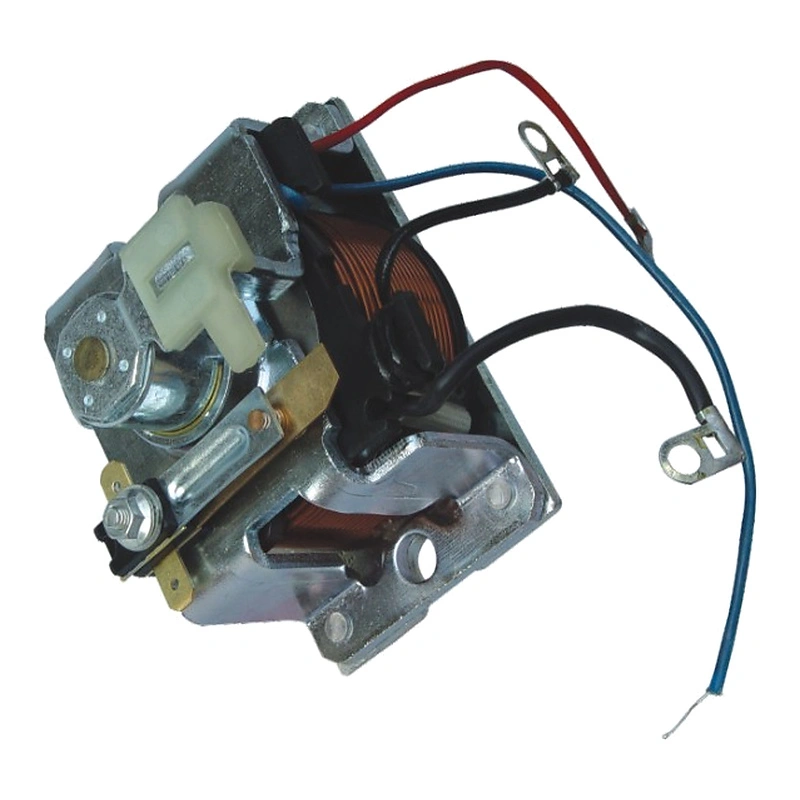
24V/12V Starter Motor Push Solenoid 0331 450 001
  • OE No.0331 450 001 (24V) 0331 450 004 (24V) 0331 450 009 (12V)
  • Voltage:24V / 12V
  • Type:Push solenoid
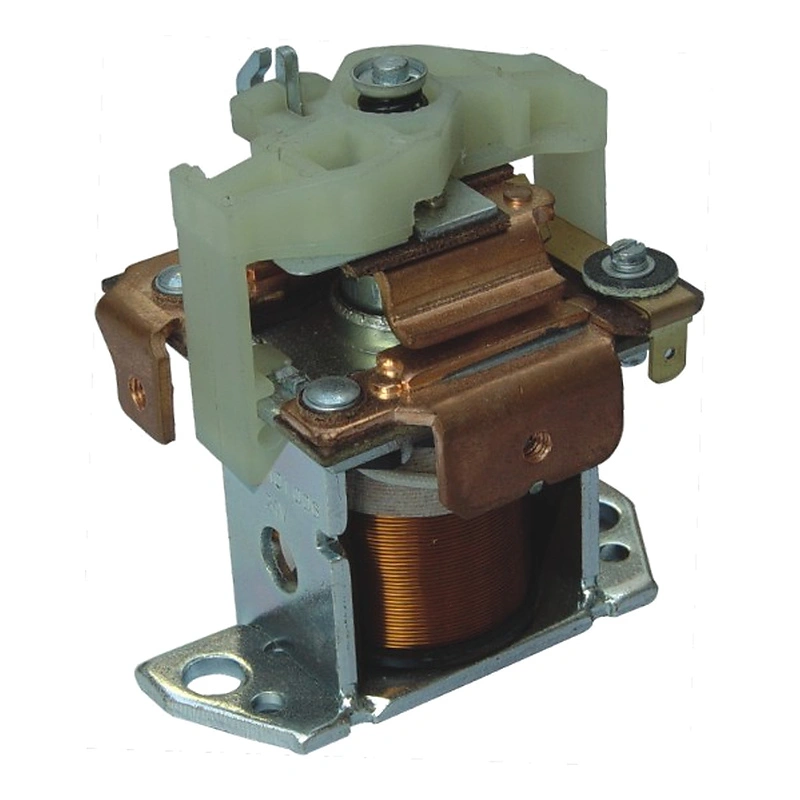
24V/12V Starter Motor Pull Solenoid 0331 101 006
  • OE No.0331 101 006 (24V) 0331 101 011 (12V)
  • Voltage:24V / 12V
  • Type:Pull solenoid
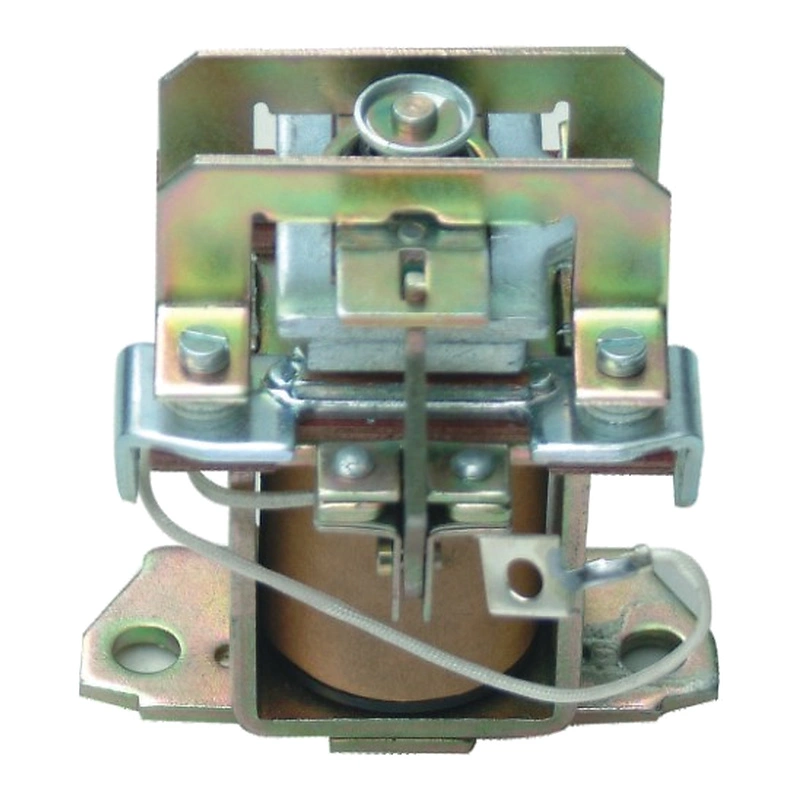
Gina 24V Starter Motor Solenoid
  • OE No.
  • Voltage:24V
  • Gina type:
  • Applicable Brand: Gina
Quick Inquiry
Need the Right Starter Products for Your Market?

Send us your OE number, product requirements, or customization needs. Horizon Automotive Parts will help you match suitable automotive starters and starter parts for your business.

What You Can Send Us
  • OE number or reference number
  • Product photo or drawing
  • Vehicle / engine information
  • Quantity or purchase plan
  • OEM or packaging requirements

Not sure which model fits your needs? Send us the available details, and Horizon Automotive Parts will help you confirm suitable options.
Drop A Message
Send Your Inquiry

GET A QUOTE

+852 53779176

+86-18989720167

1401769307@qq.com

GET IN TOUCH NOW
Captcha Code