⚡ Quick Answer
Car starter, auto starter, and starter motor all refer to the same component — the electric motor that cranks your engine to start it. The difference is mainly context: "starter motor" is the technical parts term, "car starter" is how most drivers search for it, and "auto starter" is a more general industry term. However, terms like jump starter, remote starter, and motor starter are completely different products — and that's where people get confused.
If you've been shopping for parts or researching car problems, you've probably seen a dozen different terms thrown around: starter motor, car starter, auto starter, engine starter... the list goes on. Are these all different parts? Or just different names for the same thing?
Good news: most of the "starter" terms you'll see in automotive contexts do refer to the same component. The confusion comes from context, industry jargon, and — most importantly — a handful of terms that sound similar but describe completely different products.
In this guide, we'll break down starter definition and starter motor meaning, explain which terms are interchangeable, and clarify the ones that aren't — so you never order the wrong part again.
✅ Names That All Mean the Same Thing
Let's start with the easy part. All of these terms refer to the same physical component — the electric motor mounted to your engine/transmission that cranks the flywheel to start the engine. The difference is who uses which term and when.
| Term |
Typical Usage Context |
Who Uses It |
| Starter Motor |
Technical, parts catalogs, repair manuals |
Mechanics, parts suppliers, engineers |
| Car Starter |
General consumer search, casual conversation |
Drivers, DIYers, general public |
| Auto Starter |
Industry general term, broader category |
Auto parts stores, industry websites |
| Car Starter Motor |
Specific, unambiguous search term |
Shoppers who want to be precise |
| Engine Starter |
Functional description, older terminology |
Older generations, some manuals |
| Automobile Starter |
Formal / written language |
Textbooks, formal documentation |
| Starter (in a car context) |
Shortened, conversational |
Everyone, when context is clear |
💡 Bottom Line
If someone says "I need a new starter for my car" or "my starter motor is bad," they're talking about the exact same part. When in doubt, just ask for the OEM part number or specify the vehicle — that's what really matters for ordering the right one.
🔍 Each Term, Explained in Detail
Starter Motor
The formal, technical name
This is the most precise and technically correct term. "Starter motor" emphasizes that it's an electric motor whose purpose is starting the engine. You'll see this term in parts catalogs, repair manuals, engineering documents, and professional parts listings. If you're talking to a mechanic or ordering from a supplier, this is the safest term to use to avoid confusion.
Car Starter
The everyday driver's term
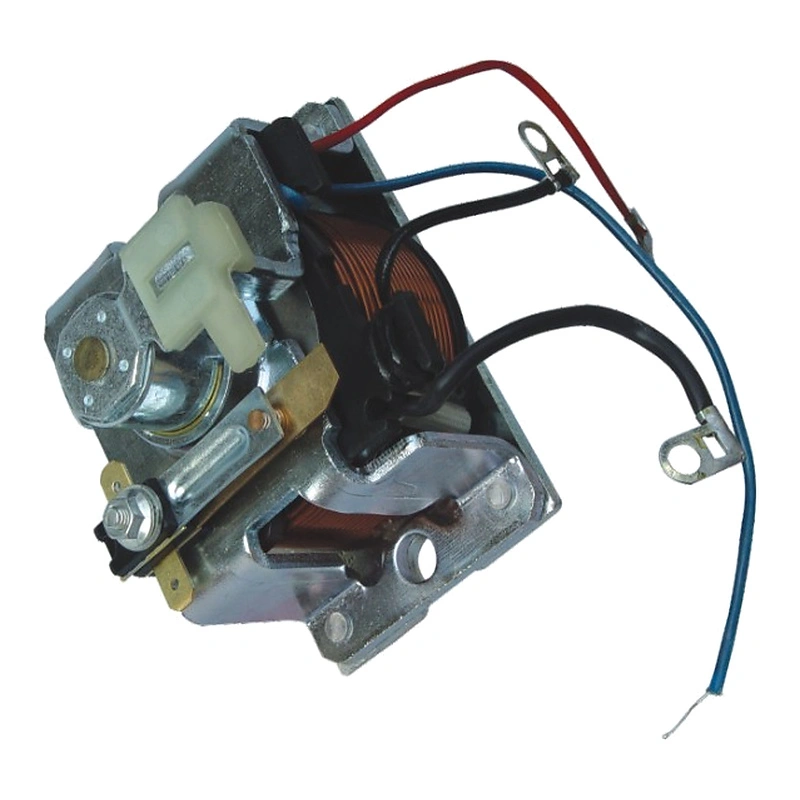
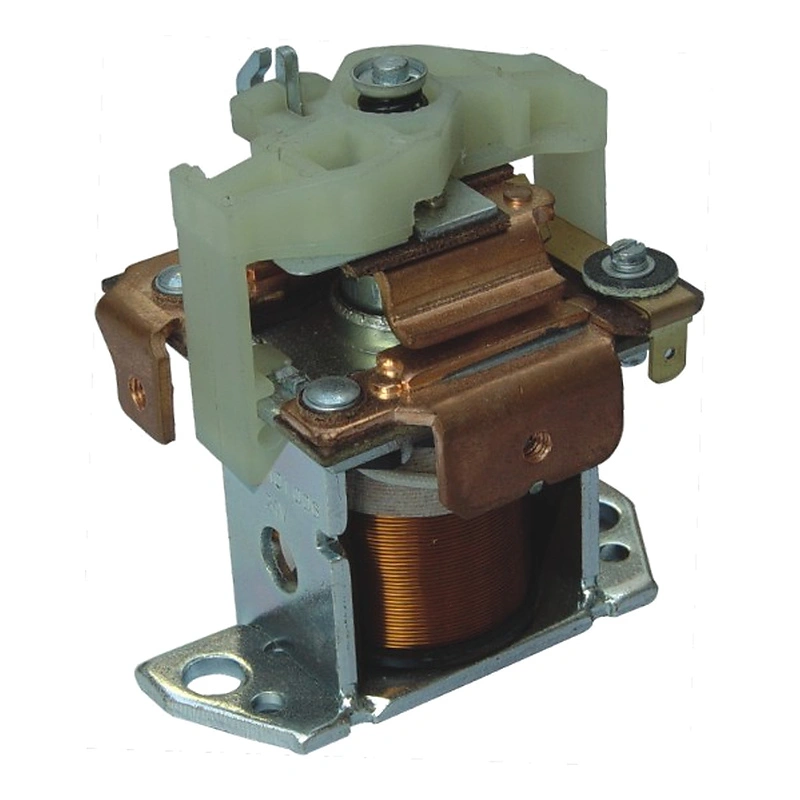
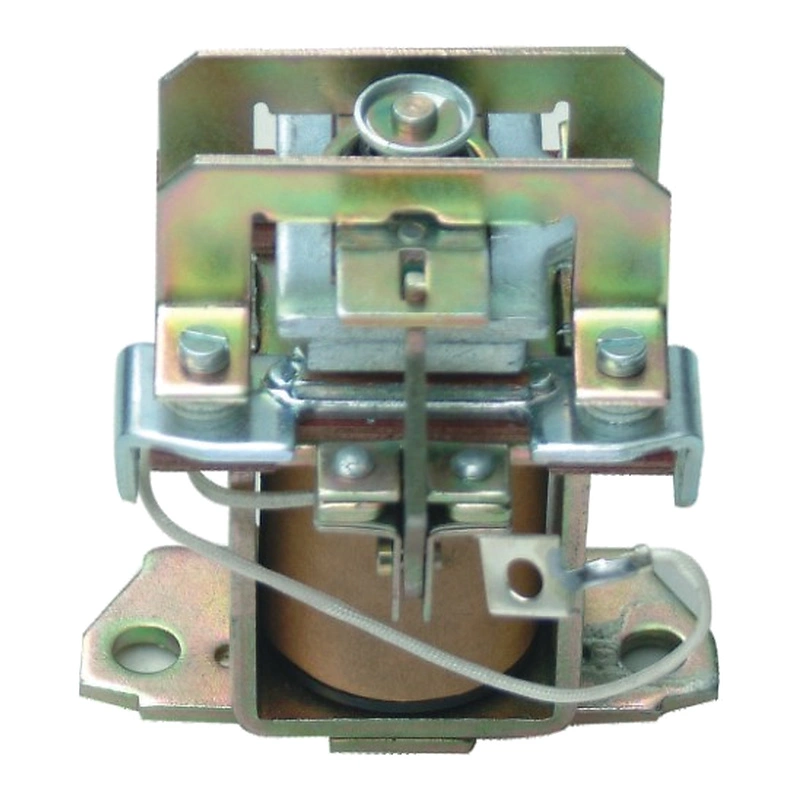
This is what most regular drivers type into Google when their car won't start. "Car starter" is conversational and straightforward. It's less technically precise than "starter motor" — technically, the starter is the whole assembly including the solenoid, not just the motor — but in everyday usage, it means the same thing. If you're writing for a general audience or optimizing for consumer search, this is the term people use.
Auto Starter
The broad industry umbrella term
"Auto starter" is a more general category term that you'll often see in store names, category pages, and industry directories. It can sometimes be ambiguous — in some contexts, "auto starter" might theoretically include remote starters or other starting-related products. But in most auto parts contexts, it's used interchangeably with starter motor. Think of it as the category label rather than the specific part name.
Engine Starter / Automobile Starter
Formal / older terminology
These are less common in modern usage but still mean the same thing. "Engine starter" describes what it does rather than what it is. "Automobile starter" is the formal, written-out version you might find in older textbooks or legal documents. You'll rarely hear these in everyday conversation, but if you see them, rest assured — same part.
⚠️ TERMS THAT ARE NOT THE SAME
These Sound Similar But Describe Completely Different Products
The Big Four: Commonly Confused "Starter" Terms
Here's where people get into trouble. These four terms all contain the word "starter" (or something close), but they refer to entirely different products. If you're shopping for parts, mixing these up means you'll definitely order the wrong thing.
🔋
Jump Starter (a.k.a. Jump Box, Battery Booster)
NOT a replacement part — it's a tool
What it actually is:
A jump starter is a portable battery pack with jumper cables built in. You use it to jump-start a car with a dead battery. It provides temporary power to the battery so the starter motor can crank the engine. It's a roadside emergency tool, not a replacement part for your car.
Jump Starter =
Portable battery pack you carry in your trunk
Starter Motor =
Permanent part bolted to your engine
Why people confuse them: Both are involved in "starting" the car. A dead battery and a bad starter can have similar symptoms (car won't start). But the jump starter is the tool you use to fix a dead battery — the starter motor is the part that might need replacing.
📱
Remote Starter (a.k.a. Remote Start System)
NOT a replacement part — it's a convenience system
What it actually is:
A remote starter is an electronic system (often aftermarket) that lets you start your car from a distance using a key fob or smartphone app. It's a convenience feature — you can start the car on a cold morning to warm it up before you get in. It activates the starter motor remotely, but it's not the starter motor itself.
Remote Starter =
Electronic module + key fob that starts the car from afar
Starter Motor =
The physical motor that cranks the engine (remote starters use it)
Why people confuse them: The name literally has "starter" in it. If you search "auto starter" looking for a remote start system, you might end up on starter motor pages — and vice versa. Context is everything.
🏭
Motor Starter (Industrial / Electrical)
NOT automotive — industrial electrical equipment
What it actually is:
In industrial and electrical engineering, a motor starter is a device that safely starts and stops large electric motors — the kind you find in factories, pumps, conveyor belts, HVAC systems, etc. It's an electrical control panel device, not a car part. It protects industrial motors from damage during startup by controlling the inrush of current.
Industrial Motor Starter =
Electrical panel device for controlling factory motors
Automotive Starter Motor =
The motor that starts your car's engine
Why people confuse them: The words are just reversed! "Starter motor" (automotive) vs "motor starter" (industrial). If you're searching for industrial motor controls and land on an auto parts site, this is why. Same two words, different order, completely different product.
⏯️
Auto Start-Stop System
NOT a part — it's a fuel-saving feature
What it actually is:
Auto start-stop (sometimes written as start/stop or idle stop) is a feature found on many modern cars that automatically shuts off the engine when the car is stopped (at a red light, in traffic) and restarts it when you release the brake or press the gas. It's a fuel-saving emissions system. It uses the starter motor more frequently, but the system itself is not the starter motor.
Auto Start-Stop =
Software + sensors that turn the engine off at stops to save gas
Starter Motor =
The physical part the start-stop system uses to restart the engine
Relevance note: Cars with auto start-stop go through starter motors much faster because the starter cycles on and off dozens of times per day instead of just 2-3 times. If you drive a start-stop vehicle, expect to replace the starter more often — and make sure the replacement is rated for start-stop duty.
📊 Quick Reference: Same or Different?
| Term |
Same as Starter Motor? |
What It Actually Is |
| Starter Motor |
✅ Yes (it IS the one) |
Electric motor that cranks the engine |
| Car Starter |
✅ Yes |
Same thing, casual name |
| Auto Starter |
⚠️ Usually yes |
General term, usually means starter motor |
| Jump Starter |
❌ No |
Portable battery jump box (a tool) |
| Remote Starter |
❌ No |
Remote start system (convenience feature) |
| Motor Starter |
❌ No |
Industrial motor control device |
| Auto Start-Stop |
❌ No |
Fuel-saving engine shutoff feature |
Looking for an Actual Starter Motor?
Now that you know what it's called — we stock high-quality starter motors for cars, trucks, and commercial vehicles. Find the right one for your vehicle.
❓ Frequently Asked Questions
Q: Is a starter and a starter motor the same thing?
A: In automotive context, yes — "starter" is just short for "starter motor." Technically, the complete "starter assembly" includes the motor plus the solenoid and drive gear, but when people say "I need a new starter," they mean the whole thing, which is sold as one unit.
Q: What's the difference between an auto starter and a jump starter?
A: An auto starter (starter motor) is a permanent part of your car bolted to the engine. A jump starter is a portable battery pack you carry in your trunk to jump-start a dead battery. One is a replacement part, the other is an emergency tool.
Q: What is the proper name for a car starter?
A: The technically correct term is starter motor or starting motor. In parts catalogs, you'll also see it listed by OEM part number. For everyday purposes, "car starter" is perfectly fine and universally understood by mechanics and parts people.
Q: Why is it called a starter motor?
A: Because it's an electric motor whose sole function is to start the internal combustion engine. The engine can't start itself — it needs to be spun up to a minimum speed first. The starter motor provides that initial spin. Once the engine is running, the starter motor disengages and does nothing until the next time you start the car.
Q: Do all cars have a starter motor?
A: Every car with a gasoline or diesel engine has a starter motor. Electric vehicles (EVs) don't have one because the electric drive motor starts instantly on its own — there's no engine to crank. Hybrid vehicles do have a starter motor for the gas engine component.
📌 Key Takeaways
- Starter motor, car starter, and auto starter all mean the same thing in automotive contexts
- "Starter motor" is the technical term; "car starter" is what consumers search for
- Jump starter = portable battery pack (a tool, not a car part)
- Remote starter = remote start system (convenience electronics)
- Motor starter = industrial electrical equipment (not automotive)
- Auto start-stop = fuel-saving feature that uses the starter more often
- When ordering parts, always verify by OEM part number or vehicle specifics to be 100% sure
🔧 Still Not Sure What You Need?
Send us your vehicle details or the part number you're replacing, and our team will make sure you get exactly the right starter motor.
Get Expert Help →